



Multi-Channel Marketing: Connecting with Consumers Everywhere They Are

Multi-Channel Marketing: Connecting with Consumers Everywhere They Are
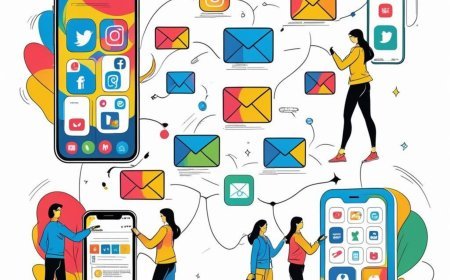
In today’s fast-paced and digitally connected world, reaching consumers through just one channel no longer cuts it. People interact with brands in countless ways-scrolling through social media feeds, searching online, watching videos, reading emails, or browsing apps. This reality has given rise to multi-channel marketing, a strategy that embraces all these touchpoints to engage customers wherever they are.
At its heart, multi-channel marketing is about meeting people on their terms. It recognizes that everyone has their preferred ways of discovering and interacting with brands. Some might respond best to a quick Instagram story, while others might rely on search engines to find exactly what they need. By spreading a brand’s message across multiple platforms, marketers ensure they aren’t missing opportunities to connect.
One of the strengths of multi-channel marketing lies in its flexibility. It allows brands to tailor their messages for different audiences and platforms without losing the essence of their story. For example, a fun and vibrant campaign on TikTok might highlight creativity and spontaneity, while a more detailed, informative blog post on a website can provide deeper insights. This approach respects the unique culture and user behavior on each channel, making the marketing feel more natural and relevant.
It’s also about consistency. While the content might vary to suit the platform, the brand’s core values and tone stay recognizable. This creates a seamless experience for consumers as they move from one channel to another, reinforcing brand identity and trust. People start to feel like they truly know the brand, building familiarity that encourages loyalty.
The ability to gather data across multiple channels is another major advantage. By observing how consumers engage on social media, email, websites, and search engines, brands gain a comprehensive understanding of their preferences and behaviors. This insight helps marketers fine-tune campaigns in real-time, ensuring resources are used efficiently and messages remain effective.
But multi-channel marketing isn’t just about technology and data-it’s about relationships. It’s about recognizing that consumers are people with varied lifestyles and needs. When brands show up thoughtfully across channels, they demonstrate that they understand and respect their audience’s time and attention.
In practice, this means creating marketing that feels less like noise and more like helpful conversation. Whether it’s a quick reply on Twitter, a personalized recommendation through email, or a captivating video on YouTube, every interaction becomes a chance to build connection and trust.
Multi-channel marketing also opens the door to creativity. Marketers can experiment with different formats, messages, and timings, discovering what resonates best. This dynamic approach keeps campaigns fresh and exciting, preventing audiences from feeling overwhelmed or bored.
As the digital landscape continues to evolve, the brands that succeed will be those who embrace a multi-channel mindset. They understand that the customer journey is not linear but a complex web of interactions that happen across time and space. By weaving their presence through multiple platforms, brands create a rich, engaging experience that stays with people long after the first interaction.
Ultimately, multi-channel marketing is about being present, relevant, and human in a world full of distractions. It’s about connecting with consumers wherever they are and offering value in ways that feel natural and genuine. When done right, it turns marketing from a one-way broadcast into a meaningful dialogue-building relationships that last.